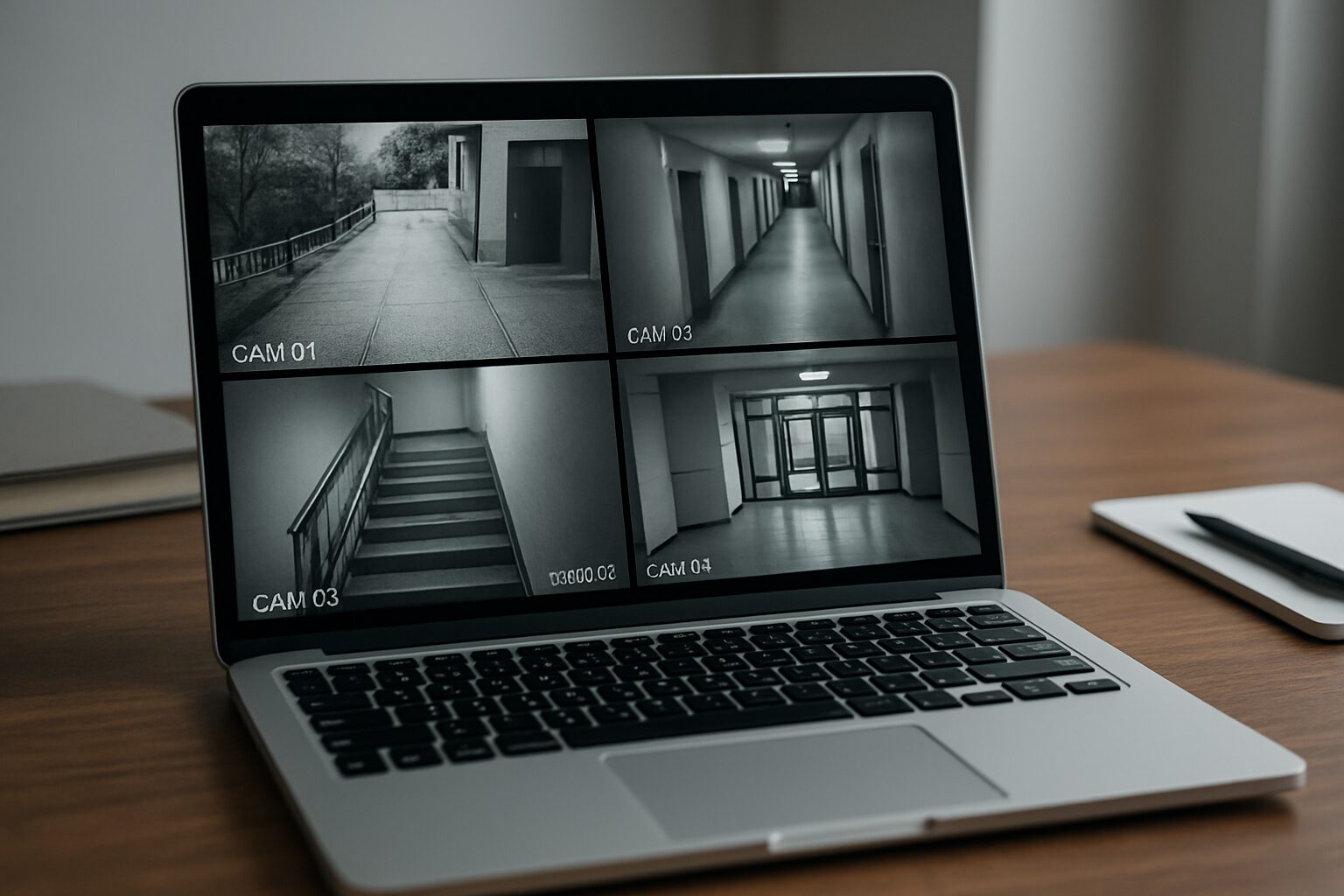
Keeping a household safe is not about choosing one device and hoping for the best. It is about combining tools that work together, around the clock, to protect what matters most. That is where the search for reliable home security systems near me usually begins, as homeowners realize cameras alone cannot do the job. Pairing visual coverage with professional monitoring creates a layered defense that reacts faster than any single device could on its own.
This article answers the most common questions homeowners ask about how cameras and monitoring teams function together, written in a straightforward FAQ format to make the information easy to digest.
How do cameras and monitoring actually work together?
Cameras capture what is happening outside and inside a home, while a monitoring team interprets that footage in real time. When a camera detects unusual motion or triggers an alert, the signal is sent to a monitoring center where trained operators can review the activity instantly. This partnership means a homeowner is never relying solely on recorded footage after the fact. Instead, action can be taken while an event is still unfolding, whether that means contacting the homeowner directly or alerting local authorities.
What makes video-verified monitoring different from a standard alarm?
A traditional alarm sends a signal when a sensor is triggered, but it cannot confirm what caused that signal. Video-verified monitoring changes that by allowing an operator to check live or recorded footage before deciding on next steps. This reduces false alarms and gives responders a clearer picture of what is actually happening at the property. For homeowners, this means fewer unnecessary callouts and a faster, more accurate response when something genuine occurs.
Can an accidental alarm be canceled quickly?
Yes. Most modern systems allow homeowners to review an alert through a mobile app and cancel it immediately if it was triggered by something harmless, like a pet or a gust of wind. This flexibility keeps the system from becoming a nuisance while still ensuring that real emergencies are treated with urgency.
Do cameras need to record continuously to be useful?
Not always. Some households prefer event-based recording, which captures footage when motion or sound is detected, while others opt for continuous recording for complete coverage. The right choice depends on storage preferences, the layout of the property, and how much detail a homeowner wants available at any given moment. A professional installer can walk through these options and explain how long footage is typically retained.
What happens if the internet goes down?
This is one of the most practical questions homeowners ask, and for good reason. If a system uses cellular communication, alarm signals can still reach the monitoring center even without an active internet connection. However, live camera viewing requires connectivity, and local recording will depend on the specific equipment and backup power in place. Understanding these details ahead of time helps set realistic expectations.
Why does professional installation matter for this setup?
Placement and configuration make a significant difference in how well cameras and monitoring systems perform together. A professionally installed system accounts for blind spots, lighting conditions, and the layout of entry points, ensuring that sensors and cameras are positioned to work in sync. It also means the system is tested thoroughly before being handed over, so homeowners are not left guessing whether everything is functioning correctly.
Is monitoring included with every security package?
Monitoring is typically part of a selected service plan rather than a universal feature, and video verification often requires compatible cameras to work properly. This is why it is worth reviewing exactly what is included before committing to a provider, since coverage can vary depending on the equipment and plan chosen.
What should a homeowner look for when comparing options?
Beyond price, the most important factors are responsiveness, local support, and how well the cameras and monitoring service integrate with existing smart-home devices like locks, thermostats, and garage controls. A system that connects these elements through one app offers far more convenience and peace of mind than standalone devices working in isolation.
Bringing it all together
Cameras give a home eyes, and professional monitoring gives those eyes judgment. Together, they form a response system that is faster, smarter, and more reliable than either element alone. Homeowners weighing their options should prioritize providers who plan installations around daily routines and offer monitoring that can distinguish between a false alarm and a genuine threat. Taking the time to understand how these two pieces fit together is the clearest path toward a safer, more connected home.
What You Need to Know
- Combining cameras with professional monitoring creates a layered defense that enhances home security.
- Cameras capture footage while monitoring teams interpret it in real-time, allowing for immediate action during an event.
- Video-verified monitoring allows operators to assess situations before deciding on a response, reducing false alarms.
- Most modern security systems enable homeowners to cancel accidental alarms quickly via a mobile app.
- If an internet connection is lost, alarm signals can still reach monitoring centers using cellular communication.
- Professional installation is important for optimizing camera placement and configuration to minimize blind spots and ensure effective monitoring.